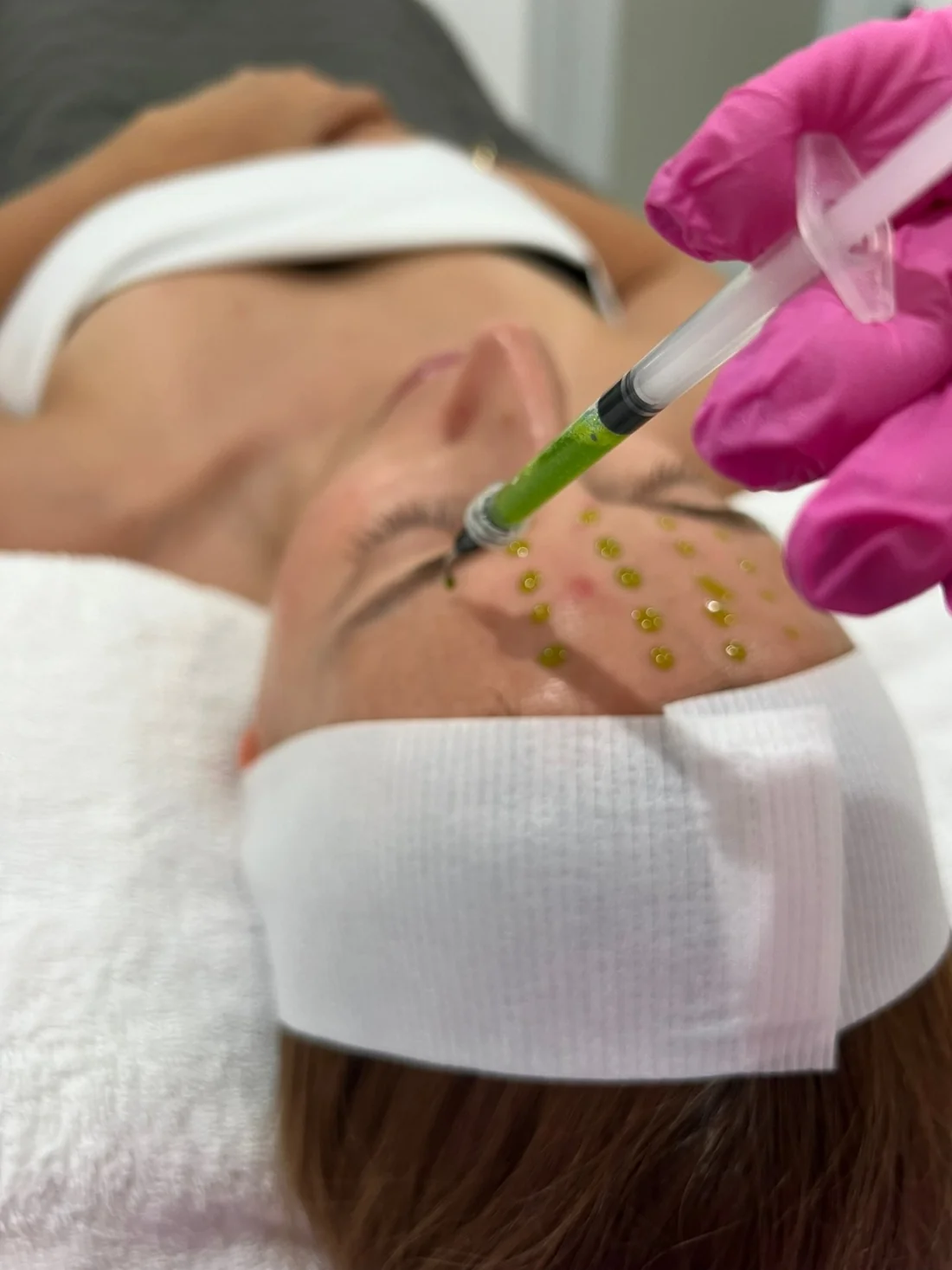
What does a professional peel do?
Chemical peels use a solution to remove outer skin layers and improve the appearance of texture and tone. The effect depends on the chemical and technique. A peel cannot significantly tighten loose skin or remove deep scars. [1]
At Olena’s studio in Sunny Isles Beach, the Professional Peels service lists PRX-T33, BioRePeel and mandelic peels, selected after a personal consultation. The appointment is listed at 30 minutes and $120 per session. These are booking details, not a promise that every product follows the same protocol or produces the same result.
The benefits worth considering
Smoother texture and a brighter-looking complexion
Dermatologists use selected chemical peels for rough or dull-looking skin, uneven pigmentation and some fine lines. Potential benefits include a smoother surface, a brighter complexion and more even-looking color. Which benefits are realistic depends on the concern being treated and the peel selected. [2]
Make your priority specific before the visit: is it the way your skin feels, an uneven-looking area or a generally tired appearance? Bringing one or two clear goals helps turn a broad request for “better skin” into a useful discussion. Ask which goal the proposed treatment is intended to address first.
What research says about mandelic peels and acne
A randomized study of 50 patients compared six sessions of 45% mandelic acid with 30% salicylic acid for mild-to-moderate acne. Both improved acne scores over 12 weeks; mandelic acid caused fewer adverse effects. This small study does not establish results for every formulation or for one studio visit. [3]
Those research concentrations describe the trial, not the strength used at this studio or a home-use recommendation. If acne is your main concern, ask how a peel would fit any existing dermatology plan. Bring the names of the products and treatments you already use so the consultation starts with your actual routine.
Why the choice of peel matters
The FDA notes that acid concentration, the number of applications and contact time influence penetration and injury risk. It advises using chemical peel products only under appropriate professional supervision. A product name alone therefore cannot tell you how strong a treatment will be or whether it suits your skin. [4]
Discuss PRX-T33, BioRePeel and mandelic options as individual choices. Ask which exact product is proposed, why it matches your priorities, what you might feel during application and what care it requires afterward. This guide does not assign one brand as universally best or transfer research on one acid to every branded formula.
What to share before treatment
The AAD recommends disclosing current or past isotretinoin use, other medicines, supplements, cold sores, unusual scarring and previous cosmetic procedures. Ask about expected results, downtime, complications and experience with your skin coloring. These details help a qualified provider assess suitability and whether a different approach is preferable. [5]
Potential complications include infection, scarring and temporary or permanent pigment changes. Some skin types are more vulnerable to color changes. A history of cold sores also matters because treatment can reactivate them. Discuss these risks with a medical professional when relevant, rather than relying only on a cosmetic consultation. [6]
What to expect from results and recovery
Even a light peel can cause redness, stinging, flaking or irritation. Recovery and the visible response vary with the treatment. The amount of visible peeling should not be used as your personal target: ask what reaction is expected for the exact product and how to recognize a problem. [7]
No universal “zero downtime” or event-ready date is promised here. If you have a wedding, travel or a busy outdoor schedule, mention the dates before choosing the peel. Ask what your first appointment will involve and when the skin should be reassessed before deciding on another session.
Aftercare helps protect the result
Follow the prescribed moisturizing routine and do not scratch or pick treated skin. Contact your dermatologist if burning, itching or swelling develops. Results are generally not permanent; the timing of any repeat peel should be individualized. [8]
Some alpha hydroxy acid products can increase sun sensitivity. The FDA advises sunscreen, protective clothing and limiting sun exposure during use and for a week afterward. Follow the specific instructions for your peel. [9]
Leave the appointment with clear instructions: which cleanser and moisturizer to use, when to restart your usual products and whom to contact with questions. A practical plan should fit your routine and budget, with a defined skin goal and a review point before you commit to further visits.
Professional sources
These sources address chemical peels, their ingredients, expected outcomes and procedure-specific precautions. Each is labeled by type; manufacturer information is not independent clinical evidence. They do not endorse the studio or test its specific service. Sources reviewed November 23, 2026.
- Professional guidanceAmerican Society of Plastic SurgeonsHow peels work and their limits
- Professional guidanceAmerican Academy of DermatologyPotential benefits of chemical peels
- Clinical studyDayal et al. · Journal of Cosmetic Dermatology · 2020Mandelic and salicylic acid trial in acne
- Regulatory guidanceU.S. Food and Drug AdministrationProfessional supervision and peel safety
- Professional guidanceAmerican Academy of DermatologyPreparing for a consultation
- Professional guidanceAmerican Society of Plastic SurgeonsPigment changes and other risks
- Professional guidanceAmerican Society of Plastic SurgeonsLight peels and recovery
- Professional guidanceAmerican Academy of DermatologyResults, aftercare and repeat treatments
- Regulatory guidanceU.S. Food and Drug AdministrationAlpha hydroxy acids and sun sensitivity
Educational information; not an individual diagnosis or medical treatment plan.